


The Best Dental Chews for Heavy Chewers: Safe Solutions for Strong Jaws
Not all chew toys and dental treats are created equal, and for pets who chew with serious intensity, the wrong product can do more harm than good. Fractured teeth, cut gums, and intestinal blockages from swallowed fragments are some of the most common dental emergencies we see, and they almost always trace back to a chew toy or treat that was too hard, too small, or not designed for that level of chewing force. The good news is that safe options exist, and choosing the right ones can actually support your pet’s oral health rather than undermine it.
At MountainView Veterinary Hospital, our team sees the consequences of unsafe chewing regularly, and we would much rather help you prevent those injuries than treat them. Whether your teething puppy is destroying your furniture or you’re not sure if the toys you have are doing more harm than good, we’re here to help. Call us at (973) 983-0500 or contact us to discuss your pet’s dental health or schedule a dental evaluation.
Why Do Dogs and Cats Chew in the First Place?
Chewing is not a behavioral problem. It is a natural, instinct-driven activity that serves real physical and emotional functions. The repetitive motion releases endorphins that promote calm, which is why a dog with a good chew often settles quietly for an extended stretch. Chewing also addresses boredom, redirects anxiety, and satisfies an oral drive that will find an outlet one way or another- your shoes, your furniture, or something you actually gave them.
Surviving the Teething Period
For puppies specifically, teething makes chewing feel urgent. Baby teeth fall out and adult teeth push through between about 3 and 6 months, a process that is genuinely uncomfortable, and puppies instinctively seek things to press against sore gums. The important caveat: puppy teeth are considerably weaker than adult teeth, which means products that would be safe for a two-year-old Labrador can easily fracture a puppy’s tooth. A broken baby tooth is painful, can become infected, and may need to be extracted to protect the developing adult tooth underneath.
How Do I Know If a Chew Is Safe? The Thumbnail Test
Press your thumbnail firmly into the chew. If it does not leave a dent, the product is hard enough to fracture a tooth- skip it.
This single test eliminates most products most aggressively marketed for aggressive chewers. Fractured teeth are painful, often infected, and require extraction or root canal treatment. They are entirely preventable with product selection. Too-hard chew toys also wear down the tips of teeth over time, which can expose the inner pulp and set you up for a tooth root abscess.
We get it- the hard toys are often the ones that are the longest-lasting fun for your pup. Unfortunately, the risks are high.
Safe vs. Unsafe: A Quick Reference
| Product Type | Safe? | Why |
| Thick flexible rubber toys (passes thumbnail test) | ✓ Safe | Compresses under force; does not splinter |
| Frozen carrots, bananas, celery, cucumber, or squash | ✓ Safe | Compressible, digestible, and healthy |
| Rawhides | ✗ Avoid | While they soften naturally, they are not digestible and can cause intestinal blockages |
| Bully sticks (supervised) | ✓ Generally safe | Softens naturally; supervision needed as size reduces |
| Tracheas / collagen chews | ✓ Generally safe | Cartilage-based; softer than bone; monitor fat content |
| Thick leather toys | ✓ Generally safe | Safe to chew on, not safe to eat. Remove if your pet tries to eat it instead of just chew. |
| Antlers, hooves, hard nylon bones | ✗ Avoid | Fail thumbnail test; documented fracture risk |
| Real bones, cooked or raw | ✗ Avoid | Splinter into sharp fragments; can break teeth; GI obstruction risk |
| Ice cubes (for dogs who crunch) | ✗ Avoid | Hard enough to fracture teeth; small ice chips are generally safer |
| Tennis balls (as chews) | ✗ Avoid | Abrasive surface wears enamel over time |
| Sticks | ✗ Avoid | Splinter, wedge between teeth, and can cause intestinal blockages |
What Do Dental Chews Actually Do for My Pet’s Teeth?
Dental chews work by mechanically scraping plaque from tooth surfaces during chewing. When used consistently, the right chew genuinely reduces plaque accumulation between professional cleanings. Two things determine whether a chew delivers that benefit: whether it is safe, and whether it has been tested.
VOHC-accepted products carry a seal from the Veterinary Oral Health Council, an independent body that grants acceptance only to products demonstrating measurable plaque or tartar reduction in clinical trials. This seal applies to chews, diets, gels, and water additives. When evaluating any dental product, the VOHC seal is the most efficient way to distinguish evidence-backed options from marketing-backed ones.
Periodontal disease begins below the gumline where no chew or treat can reach. Dental chews reduce what accumulates above the gumline and extend the interval between professional cleanings. They do not replace them.
What Are the Best Chew Options for Aggressive Chewing Dogs?
The safest chews for power chewers give under pressure rather than resist it. The goal is durable enough to last, soft enough not to fracture teeth.
Flexible Rubber Toys
Quality rubber toys that flex and compress under chewing force are the gold standard for power chewers. Safe chew toys designed for heavy chewers use thick, durable rubber that resists being bitten through while remaining soft enough not to damage enamel. Filling them with peanut butter, wet food, pumpkin puree, or kibble encourages sustained moderate-pressure gnawing rather than aggressive bite-down attempts, and doubles as enrichment. Freeze them for longer-lasting fun. KONG and Oxyfresh are two great options for rubber toys that can be filled and frozen.
Edible Dental Chews
Edible dental chews that soften progressively under chewing force are appropriate for most dogs, including aggressive chewers, when matched correctly to body weight.
What to look for:
- Size match: Large enough that your dog cannot put the whole thing in their mouth at once
- Softening texture: Chews that remain stiff throughout the session carry more fracture risk
- VOHC seal: Confirms measurable plaque or tartar reduction in clinical testing
Browse the full range of dog dental chews and treats in our store.
Are “Natural” Chews Safe? Bully Sticks, Tracheas, Collagen, and More
“Natural” does not automatically mean safe, and each type comes with its own set of considerations. Here is how the most popular options stack up.
Bully sticks (dried beef pizzle) are among the better options for many dogs because they soften as chewing progresses and are fully digestible. Two caveats: they are calorie-dense, so factor them into your dog’s daily intake, and the end piece becomes a choking hazard as it gets small. A bully stick holder prevents your dog from gulping the last piece.
Tracheas (beef or lamb windpipe) are cartilage-based, softer than bone, and gentler on teeth. They are digestible, but they can be high in fat, which makes them a less ideal choice for dogs prone to pancreatitis or weight gain.
Collagen chews are made from the inner layer of cowhide. They soften easily, are highly digestible, and offer some benefit for joint and coat health. Like all treats, they are calorie-dense and small pieces can become a choking hazard, so supervision applies.
Frozen fruits and vegetables are a great option, especially for teething puppies. Choose only items from the list of safe foods– some fruits, like grapes, are toxic. Provide these in moderation, as too many can cause diarrhea.
What to avoid in the “natural” category:
- Bones: harder than tooth enamel; among the most common sources of slab fractures we treat
- Antlers and hooves: extremely dense; same fracture risk as bones
- Traditional rawhide: large pieces are not digestible and can cause blockages; many dogs bite off and swallow chunks whole
- Sticks: while they don’t break teeth, chunks will wedge between teeth and are a common cause of oral lacerations and impalement injuries; swallowed pieces can cause intestinal blockages
For any natural chew: supervise the entire session, size it so your dog cannot fit it entirely in their mouth, and remove it when it reaches a size that could be swallowed whole.
What Injuries Can the Wrong Chew Cause?
The three most common chew-related injuries at MountainView are fractured teeth, gastrointestinal obstructions, and soft tissue injuries. All are preventable.
Fractured Teeth
A slab fracture breaks a tooth along a large surface, exposing the sensitive inner pulp. Dogs are stoic, and the behavioral signs are often subtle:
- Chewing consistently on one side of the mouth
- Dropping food or slowing down noticeably at mealtime
- A visible chip, discoloration, or dark line on the tooth surface
A fractured tooth with pulp exposure requires veterinary treatment. Left untreated, it leads to chronic infection, abscess formation, and worsening pain. Our dental care services include assessment and treatment for fractured teeth.
Gastrointestinal Obstruction
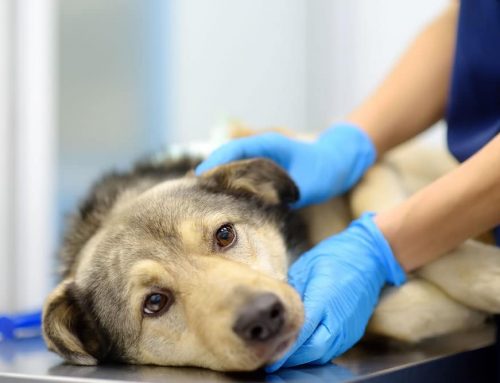
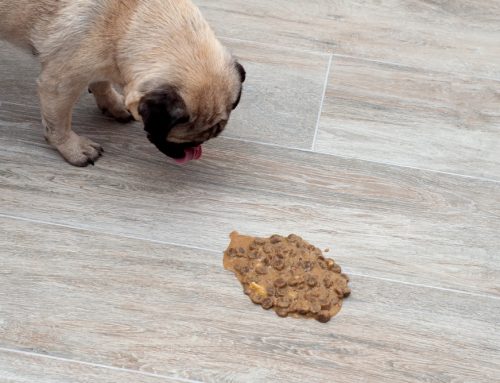
Large fragments from swallowed chews or toys can become lodged anywhere from the esophagus to the intestines. Gastrointestinal foreign body obstruction typically requires emergency surgery. Signs include repeated vomiting, loss of appetite, and abdominal discomfort after a chewing session. Always discard pieces small enough to swallow whole, even with familiar products.
Soft Tissue Injuries
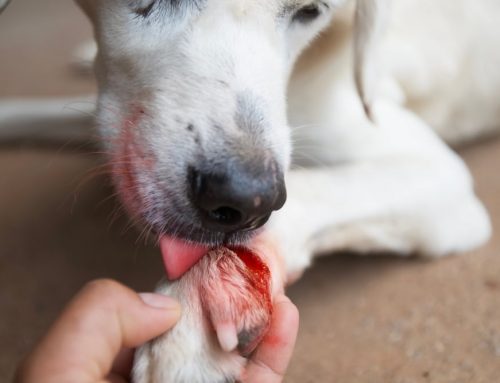
Splintered bone edges, gnawed nylon points, and compressed hard products can lacerate gums, cheeks, or the soft palate. Blood around the lips, drooling, or pawing at the mouth after a chew session warrants a call to us.
If an emergency happens during our regular hours, come right in. We provide comprehensive surgical care for pets in Denville, from dental extractions to intestinal obstructions or oral lacerations. After hours, we offer both 24/7 telemedicine services and emergency triage with VetTriage to provide you guidance on whether or not emergency care is needed.
What Should I Do If My Pet Is Chewing Everything in Sight?
Destructive chewing is almost always a signal, not a personality flaw. Pets that chew indiscriminately are usually telling you something: they are bored, under-exercised, anxious, or experiencing oral discomfort that chewing temporarily relieves. Addressing the root cause is more effective than replacing destroyed items.
First, check for medical problems. An exam at MountainView Veterinary Hospital ensures there isn’t a medical issue causing aggressive chewing.
- Start by ruling out pain. A pet that suddenly starts chewing more than usual, especially on hard objects, may be dealing with a dental issue. A dental evaluation with our team can confirm whether something in the mouth is driving the behavior.
- Consider anxiety as a driver of the behavior. Does your dog chew more during certain times, like when left alone or during routine changes? Separation anxiety is a common cause of destructive chewing.
2. Fulfill unmet physical and mental needs through increased exercise, enrichment, and structured outlets.
- Extra playtime, daycare, or taking them for a run can make an enormous difference. Burn off the extra energy, especially if you have a young, athletic dog.
- Licking, sniffing, and problem-solving provide many of the same calming benefits as chewing with zero stress on the teeth. Enrichment activities like nose work and training sessions tire out their brains. Snuffle mats, puzzle feeders, and lick mats are great ways to keep them engaged mentally without you needing to keep them entertained directly.
3. Work on positive reinforcement training. Punishing your dog for doing the wrong thing doesn’t teach them the right thing to do. When they chew on the right thing, praise them. When they chew the wrong thing, a gentle “no” and replacement with what you want them to chew on is the right way to go.
- Pet-proof your home: put away objects your pet normally likes to grab. Make sure the right toys are easily accessible, and rotate them to keep them interesting.
- Anti-chew sprays can deter pets from targeting furniture, baseboards, and other household items while you work on the underlying cause. They are a management tool, not a solution on their own, but they protect your belongings while a longer-term plan is put in place.
What Signs Mean My Pet Needs a Dental Exam?
Dental problems rarely announce themselves loudly. These subtle changes are often the first and only signal:
- Bad breath that has noticeably worsened
- Dropping food, chewing on one side, or eating reluctantly
- Pawing at the face or mouth
- Drooling more than usual, especially with blood
- Visible swelling on the face, particularly below an eye
- A tooth that appears chipped, discolored, or dark at the root
Our wellness visits include a dental assessment at every visit, which is the most reliable way to catch changes before they become significant.

Frequently Asked Questions
My dog is a power chewer and destroys everything. Are there any truly safe options?
Yes. The key is choosing products that give under pressure rather than resist it. Thick flexible rubber toys that pass the thumbnail test, appropriately sized edible chews that soften as they break down, bully sticks used with supervision, and enrichment tools like frozen food-stuffed lick mats all safely redirect chewing drive. Avoid anything your thumbnail cannot dent.
How do I know if a chew is the right size?
It should be large enough that your dog cannot put the whole thing in their mouth at once, which encourages gradual working rather than attempts to swallow it in one piece.
What is the difference between plaque and tartar?
Plaque is the soft bacterial film that forms on tooth surfaces within hours of eating. Dental chews, brushing, and other home care tools remove plaque. Tartar is hardened, mineralized plaque that can only be removed by professional scaling under anesthesia. Home care slows tartar formation; it cannot undo it once it has formed.
Choosing Right Protects Your Pet’s Teeth Long-Term
Dental health is one of the most impactful aspects of a pet’s overall comfort, and the choices you make at home between professional cleanings genuinely matter. Choosing safe products, using them consistently, and catching dental problems early keeps your pet comfortable and protects their teeth for the long term.
Contact us at MountainView Veterinary Hospital to discuss your pet’s dental health, or schedule a dental care evaluation so we can assess where things stand and build a home care plan that works.



Leave A Comment