


Metabolic Balance: How Thyroid Health Affects Pets
What Does the Thyroid Gland Do in Pets?
The thyroid gland is a small, butterfly-shaped organ located in the neck that produces hormones (T3 and T4) regulating metabolism, heart rate, body temperature, and skin and coat health. When thyroid function becomes disrupted, pets may experience changes in weight, energy, and behavior.
What is thyroid disease in pets? Thyroid disease occurs when the thyroid gland produces too much or too little hormone, disrupting metabolism, energy levels, and organ function throughout the body. In dogs, this typically means hypothyroidism (underactive thyroid), while cats more commonly develop hyperthyroidism (overactive thyroid). Both conditions are highly treatable when caught early.
Key terms to understand:
- Hypothyroidism: Underproduction of thyroid hormones, most common in dogs
- Hyperthyroidism: Overproduction of thyroid hormones, most common in cats
- T4 (Thyroxine): The primary thyroid hormone measured in blood tests
- TSH (Thyroid Stimulating Hormone): A pituitary hormone that signals the thyroid to produce hormones
Both conditions are more common in middle-aged and senior pets, which is why regular screening is key. Our veterinarians evaluate hormone levels during senior and preventive exams, tailoring treatments to your pet’s age and lifestyle. Through preventive testing and annual screenings, we can detect changes in thyroid levels before they impact your pet’s comfort or overall health.
What Causes Thyroid Disease in Dogs and Cats?
Why Do Dogs Develop Hypothyroidism?
Hypothyroidism is one of the most common endocrine disorders in dogs. It typically develops between ages four and ten, with medium to large breeds at higher risk.
Breeds at increased risk:
- Golden Retrievers
- Doberman Pinschers
- Irish Setters
- Boxers
- Cocker Spaniels
Common causes include:
- Autoimmune thyroiditis (immune system attacks thyroid tissue)
- Gradual gland atrophy (thyroid tissue deteriorates over time)
- Rarely, thyroid tumors or congenital defects
Routine diagnostic evaluations allow our team to identify thyroid changes early- sometimes before symptoms fully appear- so treatment can start right away.
Why Do Cats Develop Hyperthyroidism?
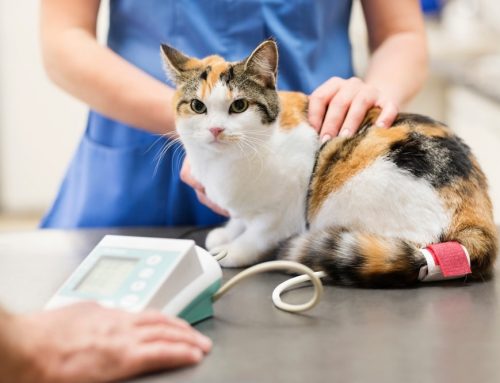
Feline hyperthyroidism occurs most often in cats over ten years old. This overproduction of hormones increases heart rate and metabolism, leading to weight loss, muscle wasting, and changes in appetite or thirst.
Common causes include:
- Benign thyroid nodules (adenomas) in 97-99% of cases
- Environmental factors (flame retardants, BPA in food containers)
- Dietary factors under ongoing research
Our cat-friendly environment ensures that thyroid testing and treatment are as stress-free as possible, with nutritional and lifestyle guidance to support ongoing care.
What Are the Signs of Thyroid Disease in Pets?
Hypothyroidism vs. Hyperthyroidism: Quick Comparison
| Feature | Hypothyroidism (Dogs) | Hyperthyroidism (Cats) |
| Metabolism | Slowed | Accelerated |
| Weight | Gain despite normal eating | Loss despite increased appetite |
| Energy | Low, sluggish | Restless, agitated |
| Heart rate | Slower than normal | Faster than normal |
| Appetite | Normal or decreased | Increased or ravenous |
| Coat | Thinning, dull, hair loss | Unkempt, matted |
| Common age | 4-10 years | Over 10 years |
What Does Hypothyroidism Look Like in Dogs?
Dogs with underactive thyroids often show gradual, easily overlooked changes:
- Unexplained weight gain without increased food intake
- Fatigue or lethargy that doesn’t improve with rest
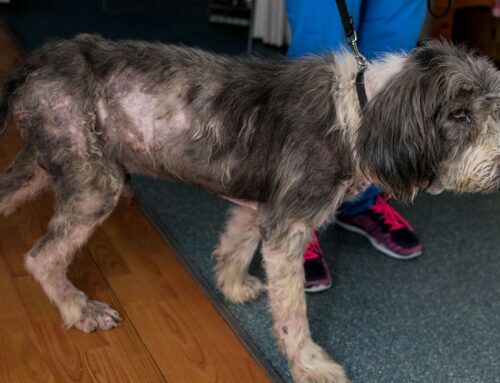
- Hair loss or thinning coat, especially on the trunk and tail
- Cold intolerance and seeking warm spots
- Recurrent ear or skin infections
- Slower heart rate or general mental dullness
These signs can overlap with other health conditions, which is why a full diagnostic assessment is essential to pinpoint the cause.
What Does Hyperthyroidism Look Like in Cats?
Cats with hyperthyroidism experience an overactive metabolism that burns energy too fast:
- Noticeable weight loss (often 10-20% of body weight) despite a strong appetite
- Vomiting or diarrhea occurring more than once weekly
- Increased thirst and urination
- Behavior changes such as pacing, agitation, restlessness, or vocalizing more than usual
- Rapid heart rate (over 200 beats per minute) or palpable swelling near the neck
Even subtle shifts in appetite or personality can signal a problem. Sharing your observations during exams helps us tailor diagnostics and treatment to your cat’s needs.
How Is Thyroid Disease Diagnosed?
Diagnosis follows a systematic approach:
- Physical examination: Palpation of the thyroid area, evaluation of heart rate, weight, and coat condition
- Blood tests: Measuring Total T4, Free T4, and TSH levels
- Advanced diagnostics (if needed): Thyroid antibody testing, imaging, or additional hormone panels
Our diagnostic services provide accurate, timely results so treatment can begin as soon as possible. Most thyroid blood tests return results within 24-48 hours.

How Is Thyroid Disease Treated?
What Is the Treatment for Hypothyroidism in Dogs?
Hypothyroidism is managed with daily thyroid hormone replacement medication (Levothyroxine). Most dogs respond within two to four weeks, showing improved energy, coat quality, and mood.
Treatment involves:
- Twice-daily oral medication (tablets or liquid)
- Blood tests at 4-6 weeks, then every 6 months once stable
- Lifelong therapy with periodic dose adjustments
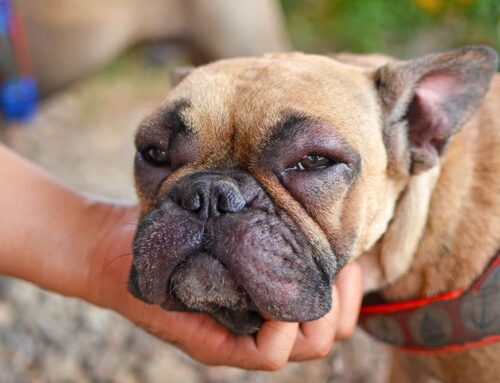
Without treatment, severe hypothyroidism can lead to rare but serious complications. In extreme cases, pets may develop myxedema, a life-threatening condition causing facial swelling, neurological symptoms, and metabolic crisis. Early diagnosis and consistent medication prevent these complications.
What Are the Treatment Options for Hyperthyroidism in Cats?
Treatment for feline hyperthyroidism includes several options:
| Treatment | How It Works | Considerations |
| Oral medication (methimazole) | Blocks thyroid hormone production | Requires daily dosing; reversible |
| Transdermal medication | Gel applied to ear; same effect as oral | Good for cats that resist pills |
| Prescription diet (y/d) | Limits iodine to reduce hormone production | Must be only food eaten |
| Radioactive iodine (I-131) | Destroys overactive thyroid tissue | Often curative; requires specialty facility |
| Surgery | Removes thyroid tumor | Curative but requires anesthesia |
Why treatment matters: Left untreated, hyperthyroidism can cause serious secondary complications. The constant metabolic overdrive strains the heart, potentially leading to heart disease and heart failure. Many hyperthyroid cats also develop hypertension (high blood pressure), which can damage the eyes, brain, and kidneys. Additionally, the increased metabolic rate may unmask underlying chronic kidney disease.
Our team provides tailored guidance to determine which approach is best for your cat’s comfort and quality of life.
What Is the Long-Term Outlook for Pets with Thyroid Disease?
Once stabilized, pets with thyroid disease often live long, happy lives with normal energy, weight, and coat condition. Regular rechecks are vital- especially in the first few months- to fine-tune medication or adjust dietary therapy. Our veterinarians act as long-term partners, offering continuous support and monitoring.
Can Complementary Therapies Help Pets with Thyroid Disease?
While medication remains the cornerstone of thyroid disease management, alternative medicine can provide valuable support for pets managing chronic conditions.
Complementary options include:
- Veterinary acupuncture: Helps regulate metabolic function, reduce stress, and support circulation. Particularly beneficial for hypothyroid dogs experiencing sluggishness or hyperthyroid cats with anxiety.
- Herbal therapy: Certain herbs support healthy metabolism and reduce inflammation. Our team ensures supplements complement rather than interfere with thyroid medications.
These integrative approaches work best when coordinated with conventional care. At MountainView Veterinary Hospital, we develop comprehensive treatment plans combining the most effective tools from both traditional and alternative medicine.
How Can I Support My Pet’s Thyroid Health at Home?
While thyroid disease can’t always be prevented, maintaining good overall health reduces risk:
- Keep up with regular veterinary visits
- Document changes in appetite, energy, or weight
- Schedule annual lab work– especially for middle-aged and older pets
- Maintain balanced diets, consistent routines, and reduced household stress
Proactive routine wellness care ensures that even small abnormalities are caught early.
For pets stabilized on thyroid medication, ongoing monitoring is essential. If your pet needs medication refills or follow-up consultations between appointments, our telemedicine services are available 24/7.
If your pet experiences sudden symptoms like collapse, difficulty breathing, or severe agitation, our emergency triage service is available after hours to guide you through urgent situations.
Frequently Asked Questions About Thyroid Disease in Pets
How often should my pet’s thyroid be tested? For healthy adult pets, annual testing during wellness exams is sufficient. Senior pets (over 7 years) benefit from testing every 6 months. Pets on thyroid medication typically need blood work 4-6 weeks after starting treatment, then every 6 months once stable.
Can thyroid disease be cured? Hypothyroidism in dogs requires lifelong medication but is easily managed. Hyperthyroidism in cats can sometimes be cured with radioactive iodine therapy or surgery. Medication and dietary management control symptoms but don’t cure the underlying condition.
Is thyroid medication expensive? Thyroid hormone replacement for dogs is typically affordable, often under $50 monthly. Hyperthyroidism medications for cats range from $20-60 monthly depending on formulation- compounded medications, like transdermal or flavored options, are more expensive. Radioactive iodine therapy has higher upfront costs but may be more economical long-term, especially for cats diagnosed at younger ages.
Will my pet need to change their diet? Dogs with hypothyroidism benefit from weight management diets if overweight. Cats with hyperthyroidism may be candidates for prescription iodine-restricted diets as sole therapy or alongside medication. Our team provides specific nutritional guidance based on your pet’s needs.
How quickly will I see improvement after starting treatment? Most dogs show improved energy and reduced symptoms within 2-4 weeks of starting thyroid medication. Cats on hyperthyroid medication often show improvement within 1-2 weeks, with full stabilization taking 4-6 weeks.
Ready to Support Your Pet’s Thyroid Health?
Thyroid conditions can be confusing and overwhelming, but they are highly manageable with the right care team. At MountainView Veterinary Hospital in Denville, New Jersey, we combine advanced diagnostics with a personal touch to help pets regain energy, health, and balance.
If you’ve noticed changes in your pet’s energy, appetite, or weight, don’t wait- schedule an appointment today. Together, we’ll ensure your pet’s thyroid health- and overall well-being- stay on the right track.




Leave A Comment